
The Russia-Ukraine War, really a U.S.-Ukraine proxy war on Russia, has taken a dangerous new direction with the U.S. having developed the Ukrainian drone industry so Ukraine can carry out drone attacks on critical Russian energy infrastructure and strike directly inside Russian territory, threatening greater Russian retaliation and heightening the risk of nuclear war.
A key moment that set the groundwork for today’s perilous situation occurred in April 2014 when then CIA Director John Brennan made a secret visit to Ukraine and pressed its leaders to use force in Donbas in eastern Ukraine, according to a former Ukrainian official.
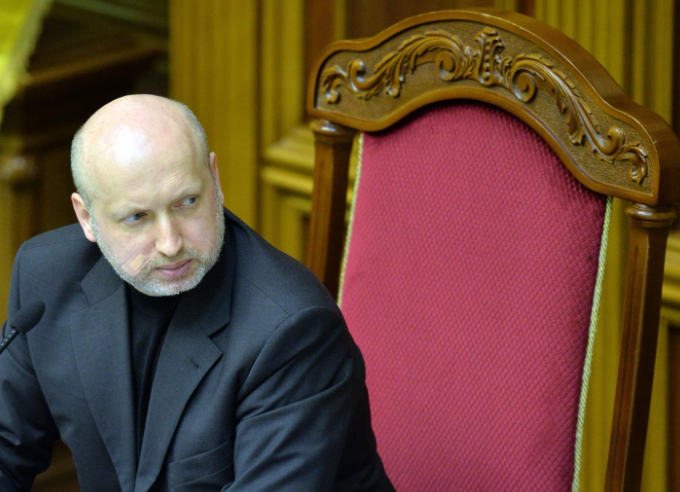
Immediately after Brennan’s visit, Ukraine leader Oleksandr Turchynov ordered the use of force in Donbas by declaring the start of an “anti-terrorist operation” that would result in the deaths of more than 10,000 civilians and draw the Russians into the conflict.
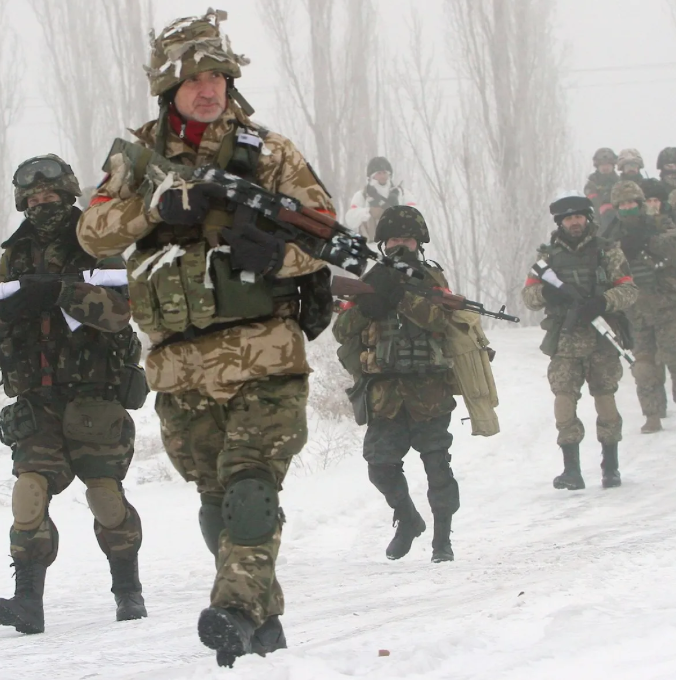
Brennan’s actions reflect a calculated U.S. strategy to provoke a conflict with Russia in order to draw it into a quagmire that would weaken its economy and military and fuel civil unrest accentuated by the application of sanctions that could lead to eventual regime change.
The latter was considered to be desirable because Vladimir Putin had tried to re-establish national control over Russia’s economy after a period of corporate looting in the 1990s under Boris Yeltsin, and strove to reassert Russian influence in Central Asia and the Arctic region, where U.S. imperialists saw opportunities to dominate after the fall of the Soviet Union.
Further, the White House desired the outbreak of the Russia-Ukraine war so it could destroy Russia’s energy industry and have U.S. oil and natural gas producers—who began seeking overseas markets following the so-called shale gas or fracking revolution in the early 2010s that led to a massive surplus of domestic oil and gas production—take over international markets from the Russians and make enormous profits.
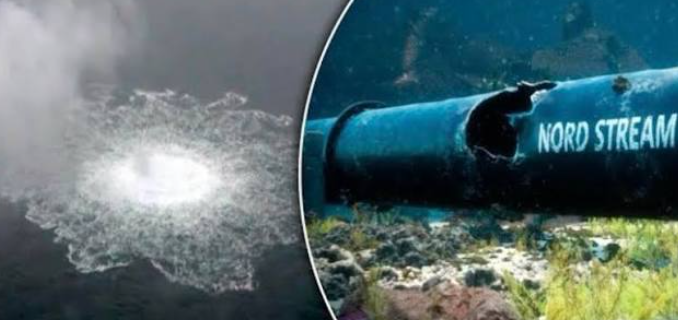
This latter strategy was made clear with the September 2022 destruction of the Nord Stream II pipeline bringing natural gas from Russia to Germany.
Tellingly, the harbor master of the Danish Christiansø Island near where the pipeline was blown up tellingly said that he saw U.S. Navy ships in the area before the pipeline was destroyed. Journalist Seymour Hersh reported U.S. Navy and intelligence involvement in the destruction of the pipeline along with Norwegian forces all operating under orders from President Joe Biden.
From the Maidan to the Ukraine War
Brennan’s central role in the origins of the Ukraine War is detailed in Ivan Katchanovski’s 2026 book, The Russia-Ukraine War and its Origins: From the Maidan to the Ukraine War, which should be read in conjunction with Richard Sakwa’s book, The Russo-Ukrainian War: Follies of Empire.
Both books cover similar ground in debunking an array of popular myths about the Ukraine War and provide grounded information and analysis that helps to explain the war’s origins.
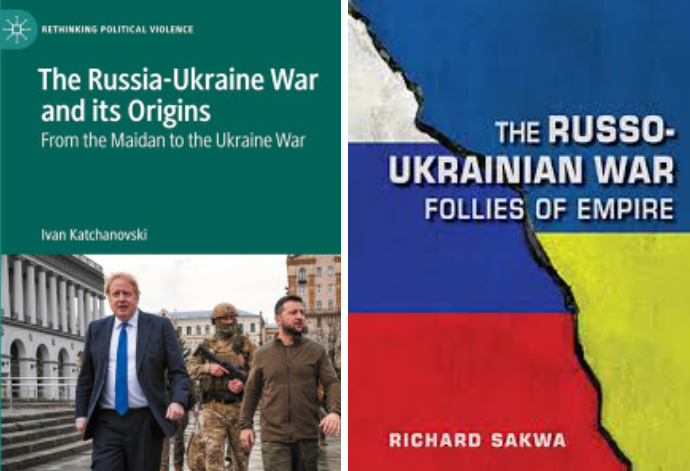
Katchanovski is a professor of political science at the University of Ottawa and Sakwa is a British professor who taught at the University of Kent and is an honorary political science professor at Moscow State University.
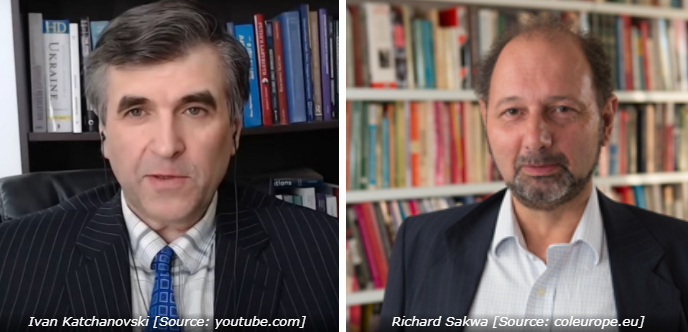
At the beginning of his book, Katchanovski analyzes the deep fissures in Ukrainian society that the U.S. was intent on exploiting, notably the pro-Western orientation of a majority of western Ukrainians and stronger affinity for Russia in the east whose economy was strongly tied to Russia and where many of the residents are ethnic Russians.
While the Maidan Square protests that broke out in the fall of 2013 were depicted by the U.S. media as being grass roots, peaceful and motivated by idealism, Katchanovski shows that fewer than half of Ukrainians supported them and that The New York Times and other media inflated the number of protesters by around ten-fold.[3]
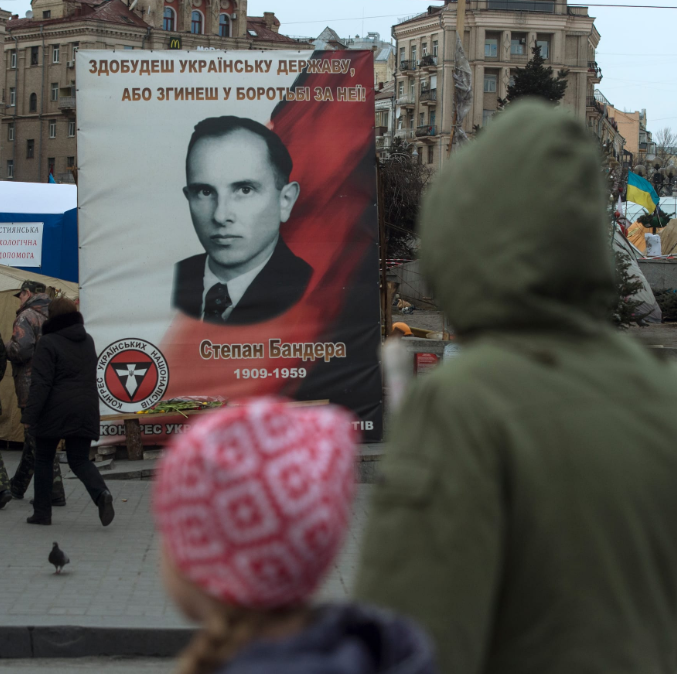
The same media failed to point out the large presence of far-right, ultra-nationalist elements who lionized Stepan Bandera, a Ukrainian nationalist and Nazi collaborator during World War II, and engaged in violent attacks directed against the Berkut police.
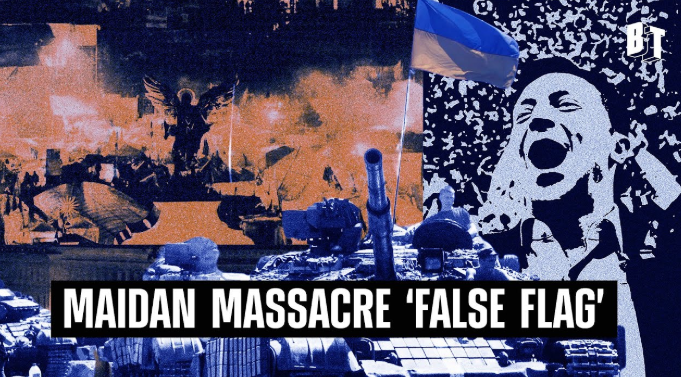
In his second chapter, Katchanovski summarizes his previous book on the February 2014 Maidan Square massacre, which challenged the dominant Western narrative blaming the pro-Russian Yanukovych government for sniper killings that killed more than 100 protesters.
Through analysis of video recordings, witness testimony, radio intercepts, and court transcripts, Katchanovski concludes that the massacre was a false-flag attack carried out by right-wing extremists, with support from Georgian and Western intelligence services, whose aim was to discredit the Yanukovych government and force it to flee—which it succeeded in doing as part of a coup d’état.
Regarding this coup, Katchanovski writes that the “the parliament vote to oust Yanukovych for ‘abandoning the presidency’ was unconstitutional, did not follow impeachment procedures specified in the Ukrainian Constitution, and lacked the required 338 constitutional vote majority. The vote was done under duress, and its 328 ‘yes’ result was fabricated. Many Yanukovych party deputies switched loyalty, but many others voted under threat of violence by the far-right group of Maidan snipers, the Maidan Self-Defense, and a mob which surrounded the parliament.”[6]
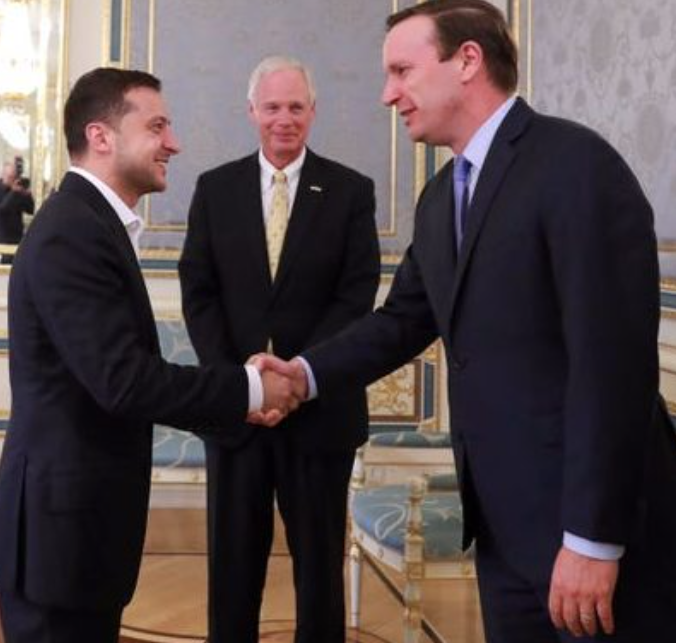
U.S. Senator Chris Murphy (D-CT) admitted that the U.S. was heavily involved in the coup, stating that “we have not sat on the sidelines. Members of the Senate have been there. Members of the State Department have been on the Square. The Obama administration passed sanctions. The Senate was prepared to pass its own set of sanctions, and as I’ve said, I think that the clear position of the United States has, in part, been what has helped lead to this change in regime.”
The change in regime led Ukraine to become what Katchanovski terms a “U.S. client state,” with the U.S. Embassy in Kyiv emerging as a key center of power.[8]
Richard Sakwa writes that then-Vice President Joe Biden “midwifed the regime change operation in Kiev in 2014” and subsequent transformation of Ukraine into the “anti-Russia of neo-conservative dreams.”
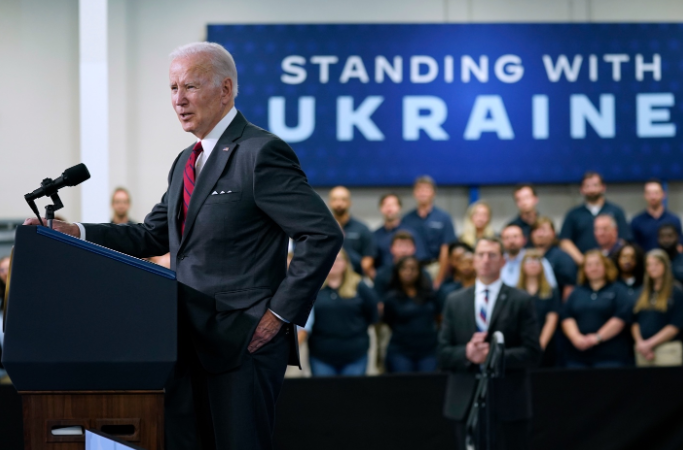
Hard-liners under this neo-conservative order attacked political moderates that sought negotiation with the Russians and implementation of the Minsk peace agreements that would have allowed for the autonomy of eastern Ukrainians who overwhelmingly opposed the Maidan coup.
With de facto U.S. support, the hard-liners burned down a trade union building in Odessa that functioned as a headquarters for anti-Maidan activists in May 2014.[10] They also deliberately antagonized eastern Ukrainians by a) referring to them in derogatory and racist terms; b) passing language laws that forced the Ukrainian language upon them; c) persecuting members of the Eastern Orthodox Church; and d) banning the teaching of Russian literature when the majority of eastern Ukrainians were ethnic Russians.[11]
The growing authoritarianism of the post-Maidan government was epitomized by measures enacted by Volodymyr Zelensky (2019-present) to a) block the constitutional court of Ukraine; b) ban 17 political parties; c) shut down television stations and jail journalists; d) cancel elections; e) have people arrested for social media posts; and f) impose sanctions on opposition leaders who were accused of treason for opposing the war with Russia.
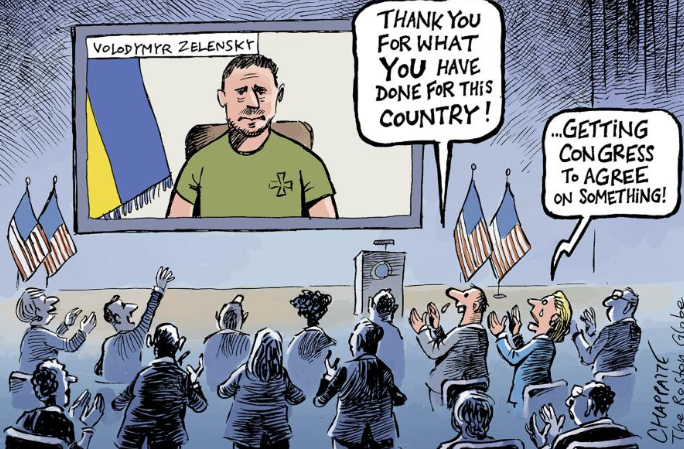
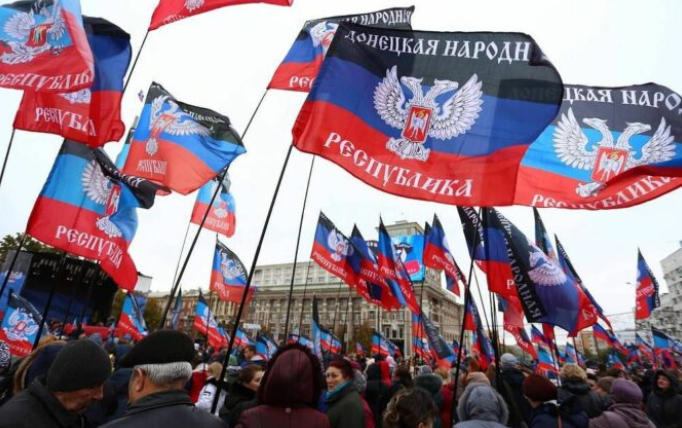
After the Ukrainian anti-terrorism operation was launched, the Western media made it seem like Russia was the aggressor even though the Donetsk and Luhansk people’s armies were popularly rooted and Russian support for them was confined to a predominantly advisory and weapons-supply role.
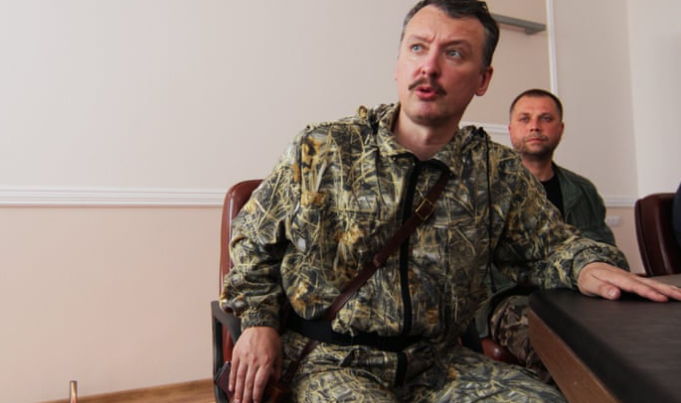
Katchanovski points out that one of the leaders of the Donetsk People’s Army, Igor Girkin (Streikov), was routinely described in U.S. media as a Russian military officer when he had retired from a Russian military intelligence unit years earlier and there was no evidence that he was still actively serving in the Russian military or intelligence services.
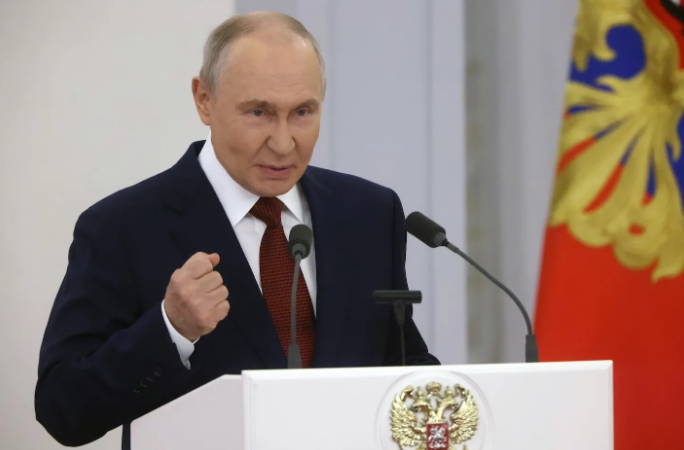
Though at times critical of Russian behavior, both Katchanovski and Sakwa’s narratives basically confirm the viewpoint of Vladimir Putin, who stated that “Ukraine [and by implication the U.S.] started the war in 2014. Our goal is to stop this war. And we did not start this war in 2022. This [the Special Military Operation that was launched in February 2022] is an attempt to stop it.”
Sakwa traces a key moment in the origins of the war to the period right after the Maidan coup when anti-Maidan partisans in eastern Ukraine who had been loyal to the Yanukovych government started staging protests that were largely non-violent.
The Kremlin at that time was adopting a standoffish position, not wanting to seize Donbas as it had Crimea in February 2014 after the Maidan coup.[15] Vladimir Putin, the supposed hawk, even opposed self-determination referendum by which the people of Donetsk and Luhansk voted to establish greater autonomy from Kyiv.
Sakwa writes that “Russia’s inaction [in Winter/Spring 2014] belies the argument that the war [in Ukraine] was fueled by an insatiable imperial appetite for more territory as [the Kremlin under Putin’s direction] attempted to recreate the Soviet Union.
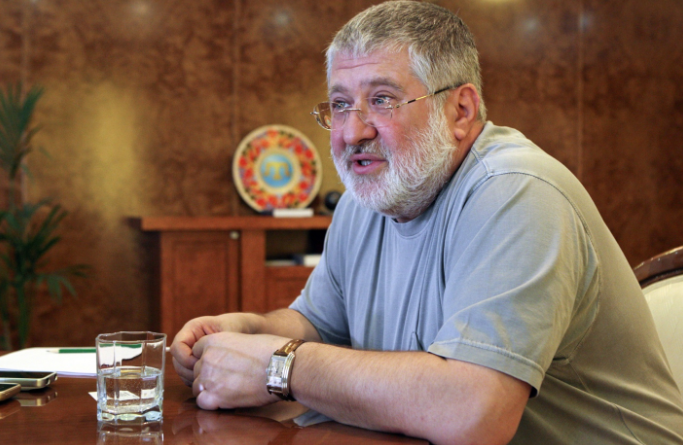
Sakwa quotes Ihor Kolomoisky, a Ukrainian oligarch who helped fuel Zelensky’s rise to power but became critical of the war, who said that “the U.S. is simply using Ukraine to try to weaken its geopolitical rival [Russia]” and that the U.S. was willing to sacrifice much of the Ukrainian population to achieve its strategic aims.
These aims were to be achieved in part by preventing Russia from controlling the newly discovered Yuzivska gas field in Donetsk, which was thought to contain enough fuel to power the entire European continent for 60 years.
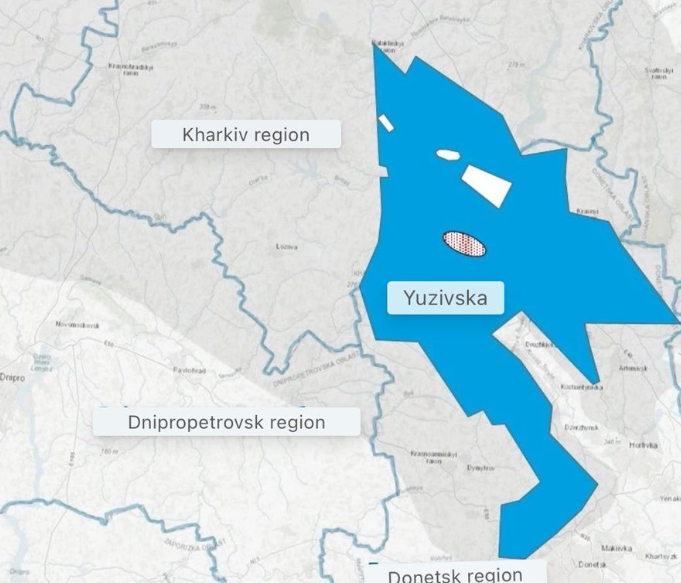
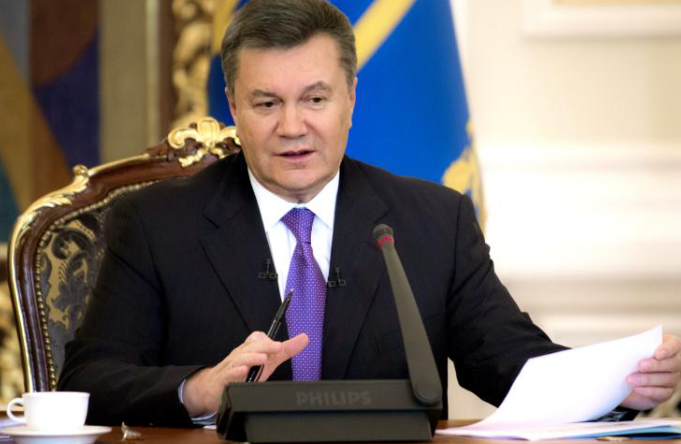
Barack Obama had pressed then-Ukrainian president Viktor Yanukovych to let U.S. corporations exclusively develop the Yuzivska field, but when he refused, the CIA came in to affect the Maidan coup and trigger a war.
The geopolitical backdrop and naked U.S. economic interest help explain Brennan’s pressuring the Kyiv authorities not to negotiate with anti-Maidan factions (which sought negotiations) and to initiate anti-terrorist operations in eastern Ukraine with U.S. weapons that sparked more radical forms of resistance.
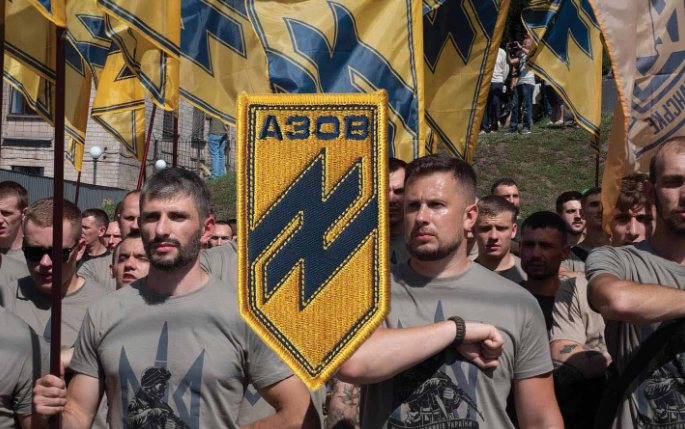
The anti-Maidan movement formed the Donetsk and Luhansk armies to defend people from attacks by Azov and other militia forces the Kyiv authorities relied on because many Ukrainians did not want to fight their own countrymen and refused conscription.
The outcome of the war was largely pre-ordained because the Kyiv authorities never made an attempt to win the “hearts and minds” of the Donbas and Crimean people, according to Sakwa, treating them instead like alien elements, which drove them to support the Donetsk People’s Army and to look upon the Russians as their defenders.
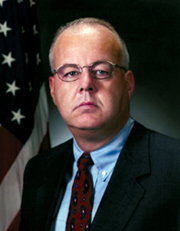
Ukrainian militia forces that carried out myriad atrocities were financed in part covertly through a CIA operation using the energy company Burisma—owned by Kolomoisky when he was governor of the strategic Dnipropetrovsk Oblast—as a front. Significantly, Cofer Black, a top CIA man and former CIA liaison to Blackwater, was appointed to Burisma’s Board along with Hunter Biden.
Though avoiding mention of Cofer Black and the CIA’s ties to Burisma, Sakwa presents evidence to go along with Katchanovski about the importance of the CIA in fueling violent conflict in Ukraine.
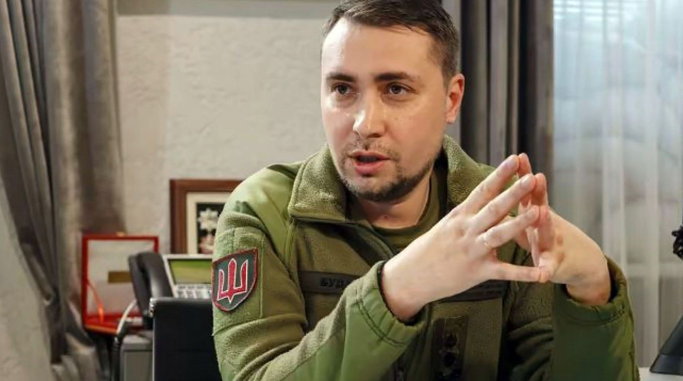
He discusses, for example, the CIA’s establishment of a key command center for the war in Kyiv and 12 bases on the Russian border that aided in missile and drone targeting, and noted the CIA’s training of an elite commando unit headed by Kyrylo Budanov, now President Zelensky’s chief of staff, which conducted clandestine attacks and assassinations in Russia.
Budanov is described by Sakwa as a man whose “Russophobia was messianic and murderous,” having boasted that “we’ve been killing Russians and we will keep killing Russians anywhere on the face of this world until the complete victory of Ukraine.”
The latter quotes remind me of a CIA officer who explained that the CIA had supported hard-line mujahadin operatives in Afghanistan like Gulbuddin Hekmatyar in the 1980s because they thought they would take the fight against Russia into Central Asia and kill a lot of Russians.[22]
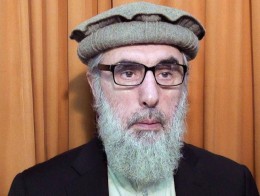
Hikmatyar happened to have been a leading narcotics trafficker known in his college days for throwing acid in the faces of women who did not wear the veil.
Budanov is also a criminal: According to Andrii Telizhenko, a former Ukrainian diplomat and parliamentary aide, he led units after the 2014 Maidan coup that went into wealthy people’s homes in the Donbas and killed the people living there and then stole their jewelry and paintings and any weapons they found and sold them on the black market in Kyiv. Telizhenko said that Budanov “considers anyone opposed to war with Russia or who has a different political ideology to be a ‘traitor’ who should be killed.”
Hundreds of Child Victims
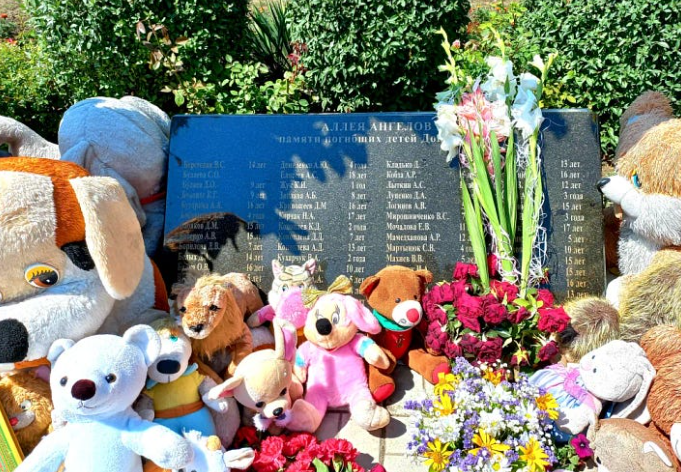
The human costs of the Ukraine War were underscored on July 27 when the people of Donbas held a day to commemorate the child victims of the war that has gone on for a dozen years now.
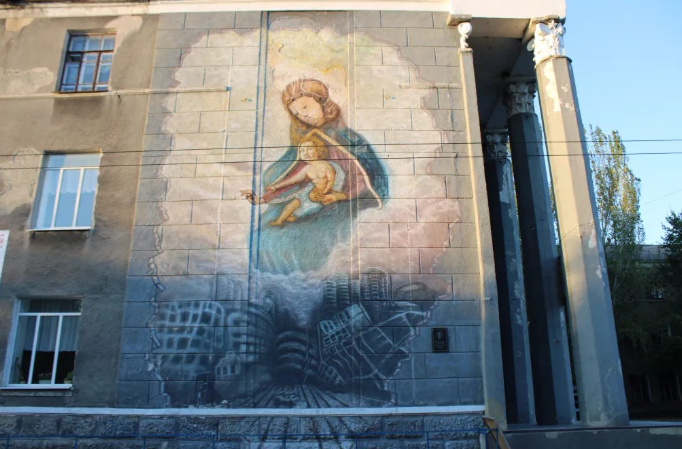
Journalist Eva Karene Bartlett wrote on her substack that “this tragic commemorative date was established in 2022 to honour the memory of the children whose lives were taken by the war launched by the Kiev regime in 2014. Since 2014, Ukrainian militants have waged full-scale hostilities against civilians in the Donetsk and Lugansk People’s Republics. Over these years, around 300 children have been killed and more than 1,000 injured. Among the first child victims of the war in Donbass was 10-month-old Kira. She was killed together with her mother during the shelling of Gorlovka in the summer of 2014. Their story, known as the ‘Madonna of Gorlovka,’ became a symbol of the tragedy endured by the civilian population of Donbass.”
This tragedy has been completely ignored by the U.S. media, including the majority of left-progressive media outlets which focus on the suffering of Gazans at the hands of Israelis but ignore the human rights catastrophe bred by U.S. policy in Ukraine.
While the Gazan suffering is, of course, monumental and deserving of empathy, it is inexplicable that the plight of the people of Donbas has been ignored.
A new Russian report reveals a pattern of false-flag and black operations carried out by the Ukrainian military, including in the Kyiv suburb of Bucha in March 2022 where a Ukrainian Wall of Memory lists neo-Nazi Azov combatants as among the civilians allegedly killed by Russia.[24]
In eastern Ukraine, many civilians have generally been killed by U.S. weapons—in a war that we now know was provoked by the CIA acting at the behest of the White House. So why are activists not demanding a cutoff of all weapons supplies to Ukraine along with Israel and trying to shame all those politicians who voted in favor of the weapons supplies and war?