
I’m standing at the foot of the massive statue of Lê Chân in the heart of Haiphong, Vietnam’s legendary port city.
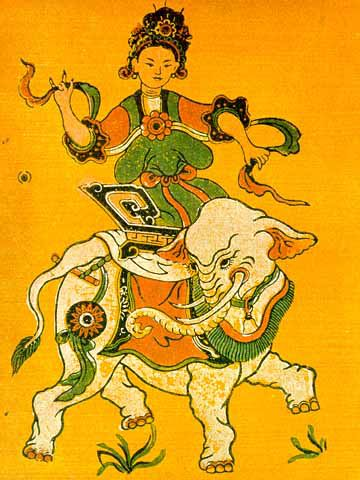
Most people know Haiphong today as a bustling industrial hub of 3.5 million people—and it is definitely worth a visit—but its soul belongs to a woman who lived nearly 2,000 years ago. Tradition says this entire area was founded by Lê Chân, a heroine who refused to bow to the Han-era Chinese forces. Why is she such a big deal? Let’s break it down.
Who Was Lê Chân?
Lê Chân is remembered as one of the first Vietnamese women to lead a resistance against foreign rule. Here is why she remains a national icon:
- Resistance Against Injustice: When her family suffered under the harsh rule of Chinese authorities in the 1st century, she didn’t just submit. She left her hometown, gathered followers, and built a new community right here—the foundation of what we now call Haiphong.
- The Trưng Sisters’ General: When the legendary Trưng Sisters launched their famous uprising in 40 CE, Lê Chân joined them. She wasn’t just a participant; she became one of their most trusted generals, leading troops and defending territory.
- A Symbol of Bravery: To this day, she represents the determination of the Vietnamese people—and specifically the power of women—to fight for autonomy.

The Triple Victory: The Battles of Bạch Đằng
Now, while Lê Chân founded this area in the 1st century, Haiphong is also home to the Bạch Đằng River, the site of the most ingenious military victories in history. These battles happened over 900 years after her time, using a secret weapon: The tide.
Vietnamese forces used sharpened wooden stakes, hidden beneath the water, to trap and destroy massive enemy fleets.
1. The Victory of 938 (Ngô Quyền): He lured the Southern Han fleet into the river at high tide. As the water dropped, their ships were impaled on hidden stakes. This ended 1,000 years of Chinese domination.
2. The Victory of 981 (Lê Hoàn): Using the same tidal tactics, Lê Hoàn defeated the Song Dynasty, forcing them to abandon their invasion.
3. The Victory of 1288 (Trần Hưng Đạo): The legendary General Trần Hưng Đạo annihilated the Mongol Yuan fleet. This stopped the world’s superpower from ever conquering Vietnam.
The Lifeline of the North: Modern Haiphong
Haiphong’s strategic importance didn’t end in the Middle Ages. During the Vietnam War—known here as the American War—this city became the ‘Lifeline of the North.’
Because land routes were limited, Haiphong was the primary gateway for foreign aid and the heartbeat of North Vietnam’s industry. With its vital shipyards, factories, and rail links to Hanoi and China, it was a major transport center.

Because it was so essential for keeping the military and industry running, Haiphong became one of the most contested and heavily bombed cities of the era. Much of what you see today was rebuilt starting in 1975, rising from the ashes to become the thriving metropolis it is today.

And here is the video. The viewers’ comments are very interesting and worth reading.
Related:
- The Fortress That Fell: How Vietnam Shattered a Colonial EmpirePersonal encounters with the masterminds of Điện Biên Phủ—and the battle that redrew global power lines.
- Stopping the Murderous Khmer Rouge: How Vietnam Confronted Asia’s Forgotten HolocaustA true story of unyielding courage and haunting betrayal, surviving against the darkness of Cambodia’s nightmare.
- Oligarchic Rule in the West Contrasts with People’s Representation in Vietnam and ChinaVietnam and China Expose the Rot at the Heart of Western “Democracy”
- When Imperial China Had a Vietnamese Prime Minister: The Surprising Origins of Meritocracy—And Why It Outperforms the West More Than EverLong before the West imagined equal opportunity, China practiced it. The Tang civil service offers lessons for a world torn between Chinese meritocracy and Western plutocracy.
- No Eternal Friends or Enemies Between Nations, but Temporary Reasonableness Where Appropriate: The Example of Advancing the U.S.-Vietnam Strategic RelationshipBoth sides gain from improved strategic ties between the United States and Vietnam. But why will the ruling American neoconservatives still be dissatisfied with the new situation?
- History Shows the Way to PeaceWhen Client States Like S. Korea, S. Vietnam, Afghanistan and UKRAINE Resist Peace, History Repeats
- Zelensky — Diem: Parallels in HistoryWhat is the connection between America’s current warlord Zelensky in Ukraine and America’s past puppet Diem in South Vietnam? The same result!
- Vietnam’s Government in Transformation: Simplifying Bureaucracy and Empowering CitizensA historic restructuring aims to streamline governance, reduce bureaucracy, and strengthen grassroots democracy as Vietnam adapts to the demands of a modern, fast-growing economy.
- Cup Half Full: The Real Reason Starbucks Is Still in VietnamWith its China strategy under strain, the coffee titan clings to key Asian markets despite fierce local competition
- Millions of People at Risk: Report from the Mekong Delta, the World’s Threatened Rice Bowl.Can Vietnam, a leading producer of rice, vegetables and fruit in the Mekong Delta, continue to supply countries around the world with food?