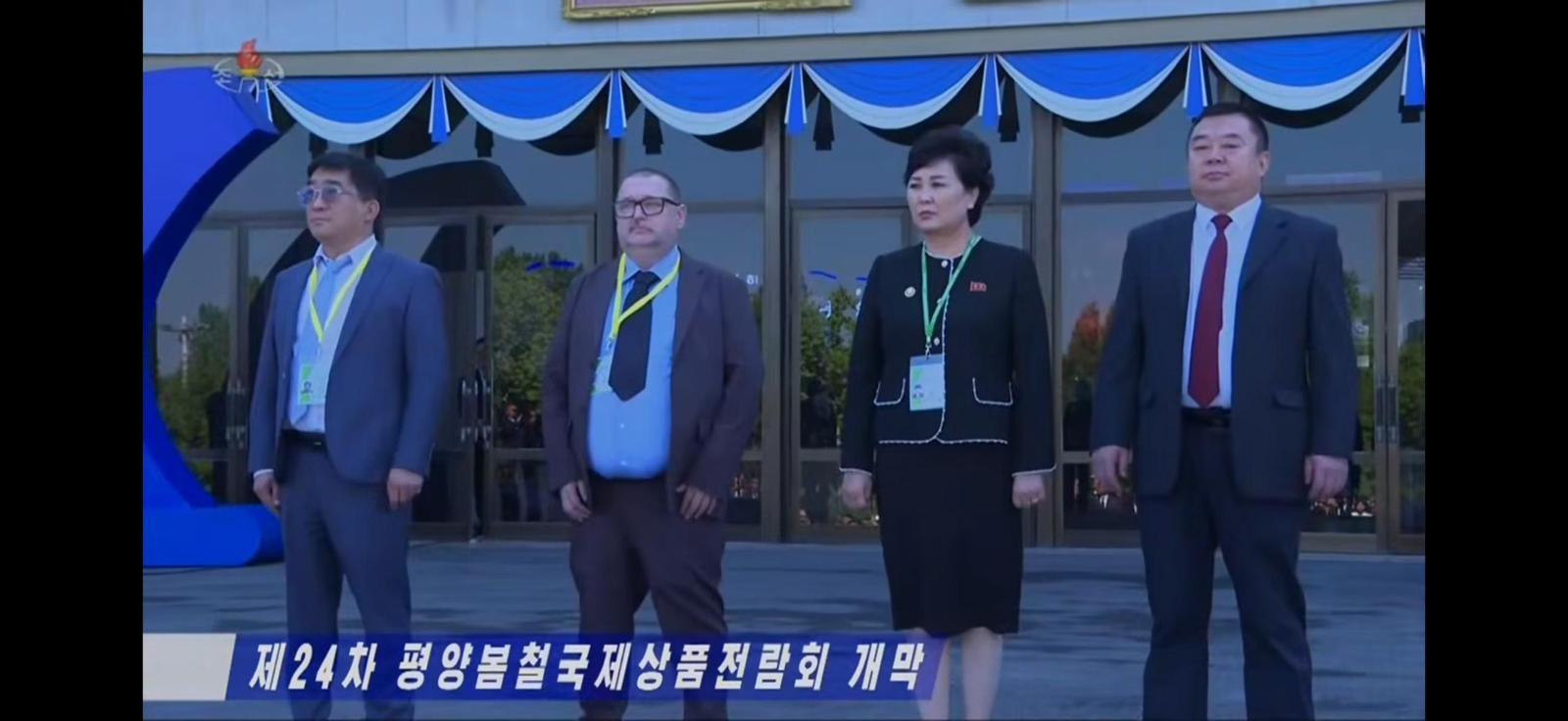
The 24th Pyongyang Spring Trade Fair has concluded in Pyongyang. The event, the first to include large foreign delegations, took place between May 3rd–8th and is aimed at promoting international trade between the DPRK and the wider world.
Yet while the event has been promoted as a huge success, it comes in the backdrop of larger issues and obstacles. Because while the country is going through an economic boom right now, the weight of sanctions and an end to the war in Ukraine (and the finances it brings) still loom large over the country.
The Pyongyang Spring Trade Fair
The Pyongyang Spring Trade Fair is one of the DPRK’s main recurring international trade exhibitions, held annually in Pyongyang. It brings together domestic trading companies and selected foreign exhibitors, mainly from China, Russia, and other limited partner countries.

The fair was suspended during the COVID period, with foreign participation effectively stopped for several years. Even after reopening, large foreign delegations were heavily restricted, and in some cases blocked entirely last year due to visa and travel limitations. Other trade fairs have taken place in the DPRK in smaller formats, but the Spring Trade Fair remains the main international commercial event in the country.
The 24th Pyongyang Spring Trade Fair

The 24th Pyongyang Spring Trade Fair kicked off on May 3rd with a speech from Minister of Foreign Trade (Kim Jong Gwan) who made a speech about improving international trade relations. This was done against a backdrop of VIP guests which for the first time since before the pandemic included Westerners.
The minister then proceeded to explore a number of stage picked local and international stands, which was heavily covered and reported on in DPRK media, including television. The overall theme was that things are getting better and life within the capital is improving. This is a statement few who now visit the city can ignore, with the new buildings, many feel through Russian investment, not only dominating the skyline, but things formerly thought impossible like traffic jams from privately owned cars now being a thing.
Who took part in the 24th Pyongyang Spring Trade Fair?
While there were no exact number of booths or attendees announced, there were estimated to be several hundred exhibitors, while the fair itself saw thousands of Pyongyangers, expats and embassy staff alike making sure that every day was extremely busy. And attendees were not just there to look, with there also being a fair bit of money changing hands. Interestingly though, and in comparison to previous times, this was done in either USD or electronic payments.
Despite the US being the main enemy of the country, the DPRK controversially switched to the US dollar in 2022. This not only surprised many, but has also raised concerns for foreign investors due to the potential ramifications with regards to sanctions and use of the dollar. Prior to this the main hard currency was the Euro.
Digital payments though are a new sight on the DPRK scene, with new banking apps being launched on the ever expanded DPRK intranet. North Korea is not part of the worldwide web for the most part, but has recently expanded its internal network to include most things we get on the regular internet. This now includes 5 different payment apps of the AliPay WeChat ilk, with users being able to pay in multiple currencies via QR code, including USD.
The vast majority of the exhibitors were Chinese or Korean companies, although it was reported that there were attendees from Mongolia, Thailand, Russia and generically “Europe”. Most goods tended to fall under the B2C category, which includes the main DPR Korean phone makers, foldable bikes from China and even beer, with B2B at least at this year’s event seeming to have less prominence.
How successful was the fair?
The success of any trade fair tends to be measured months after an event rather than days, although from an optics point of view at least 2026 can truly be considered not just international, but more importantly a functional event. It was also reported that matchmaking events, as well as presentations, and visits to businesses were held for delegates staying at the Koryo Hotel.

Yet despite the positives some attendees voiced concerns about how productive it was. One European businessman stated: “it is all very good, but it is still too hard to get a visa. Even if I want to do business, what use is it if I cannot get in”. Other concerns related to the influx of cash to the country in part due to Russian money. The DPRK has profited greatly from sending troops to the special operation in Ukraine, with some wondering just how interested the country is in doing business whilst this gold rush continues.
Everything has to start somewhere though and while conditions might not yet be perfect for business within the country, one cannot argue that things are certainly changing in Pyongyang.