
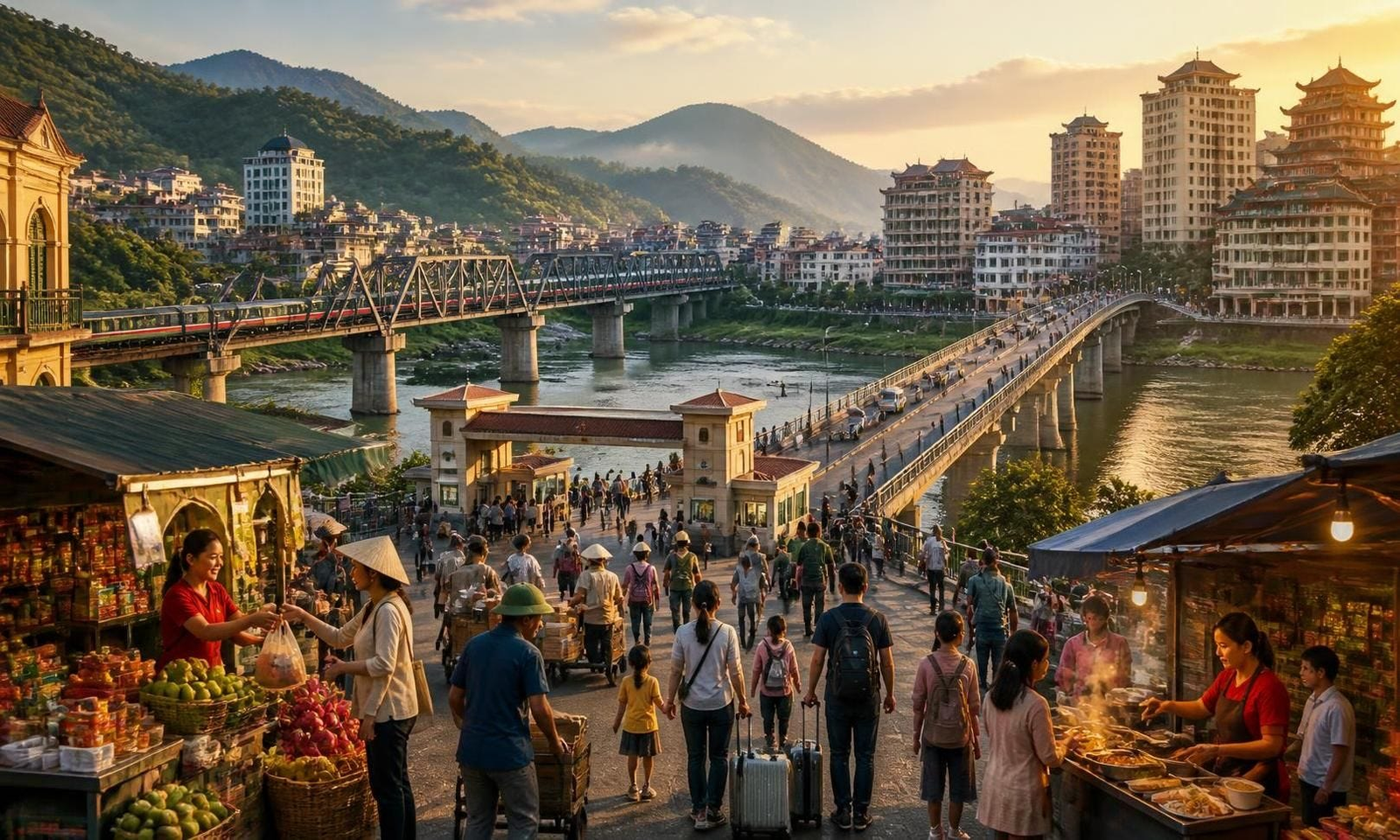
The Intertwined Ecosystem of Lao Cai and Hekou
What if you could step across an international border and feel as if you never really left home?
In Hekou, China, this isn’t a hypothetical—it is daily reality. Just across the Nam Thi River from Vietnam’s Lao Cai City, this bustling frontier town reveals what happens when a border becomes less of a barrier and more of a bridge. Here, Vietnamese workers staff local storefronts, merchants shuttle goods continuously across the river, the Vietnamese language echoes through the streets, and cross-border marriages seamlessly connect families from both nations.
Geographically, culturally, and economically, Hekou is profoundly intertwined with its southern neighbor. Facing Lao Cai directly across the water, the two cities are physically linked by the historic Ho Kieu road bridge and an international railway line. Together, they form one of Southeast Asia’s busiest trading hubs and anchor a popular “two countries, one destination” travel itinerary.
For travelers, the crossing offers a surreal, rapid transition. Within minutes of passing through customs, you enter a distinctly Chinese landscape that remains intimately connected to Vietnam—a vibrant ecosystem powered by mutual benefit, shared commerce, and a unique, blended border identity.
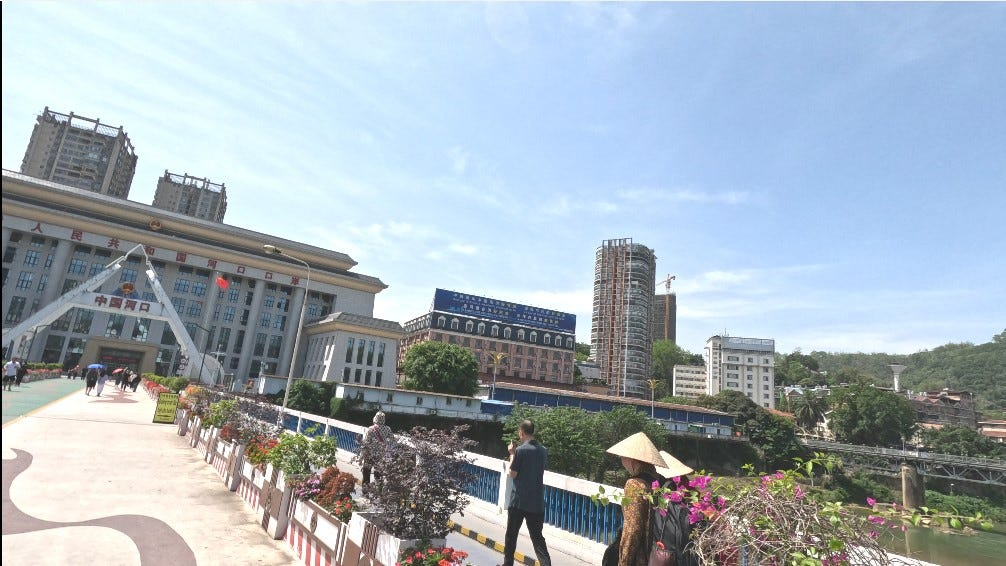
Stepping across the river: from Lao Cai to the Chinese immigration checkpoint, then straight into the heart of Hekou. (Image: Felix Abt).
1. Lao Cai: Gateway to Vietnam’s Northwest
Lao Cai City is the administrative and economic center of Lao Cai Province and an important transit point for travelers heading into the mountains toward Sa Pa and Bac Ha.
Among the city’s attractions are Thuong Temple, Mau Temple—located close to the international border crossing—and the Vietnam-China border marker.
The Lao Cai International Tourist Market is another important part of the city’s economy, serving both local shoppers and traders involved in cross-border commerce in consumer goods and agricultural products.
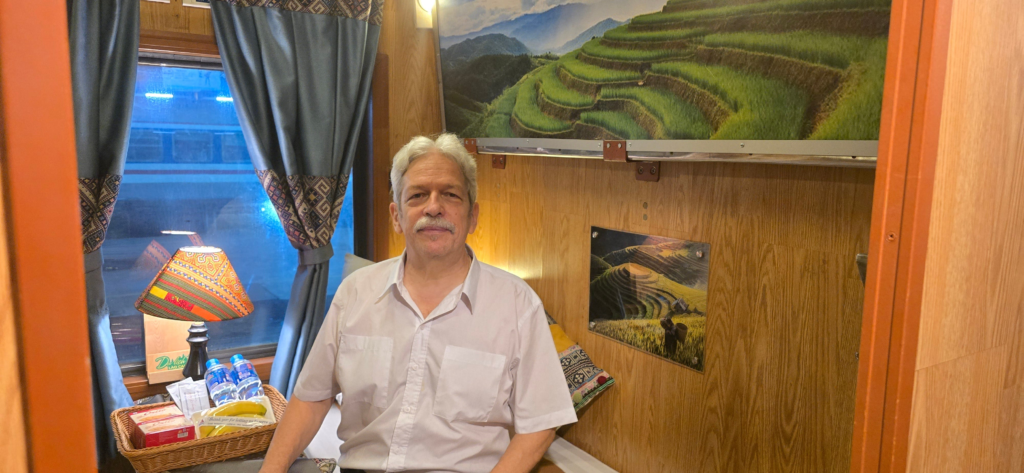
Lao Cai is approximately 300 kilometers from Hanoi. Travelers can reach the city by the Noi Bai–Lao Cai Expressway in roughly 3.5 to 4 hours by car, or by taking an overnight train from Hanoi Railway Station.
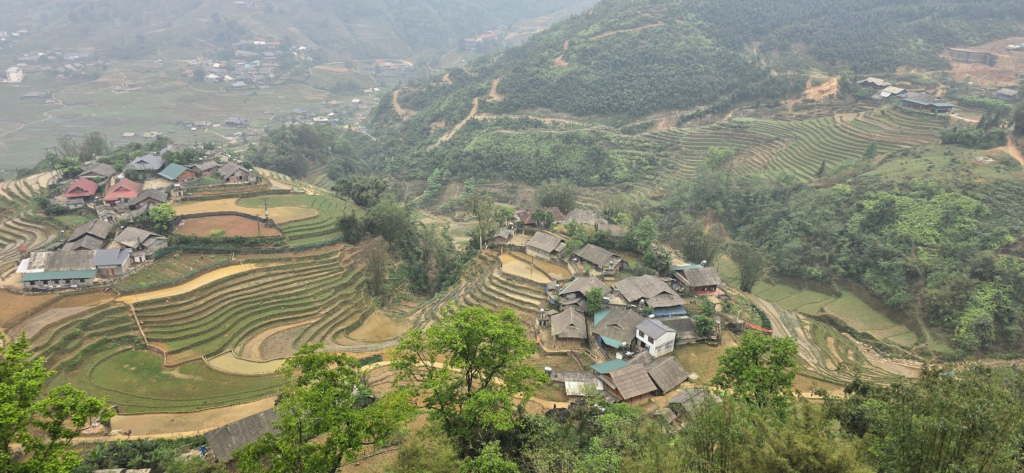
For tourists visiting Sa Pa, Lao Cai is particularly convenient. Sa Pa is only about an hour away by road, making it easy to combine a mountain holiday in Vietnam with a short visit to China.
2. Hekou: A Chinese Experience Right Next Door
On the other side of the border is Hekou Yao Autonomous County, in southern Yunnan Province.
Hekou has a distinctive atmosphere that combines contemporary Chinese development with touches of its older border-town character. It is small enough to explore on foot, yet lively enough to offer plenty of restaurants, shops and street-food stalls.
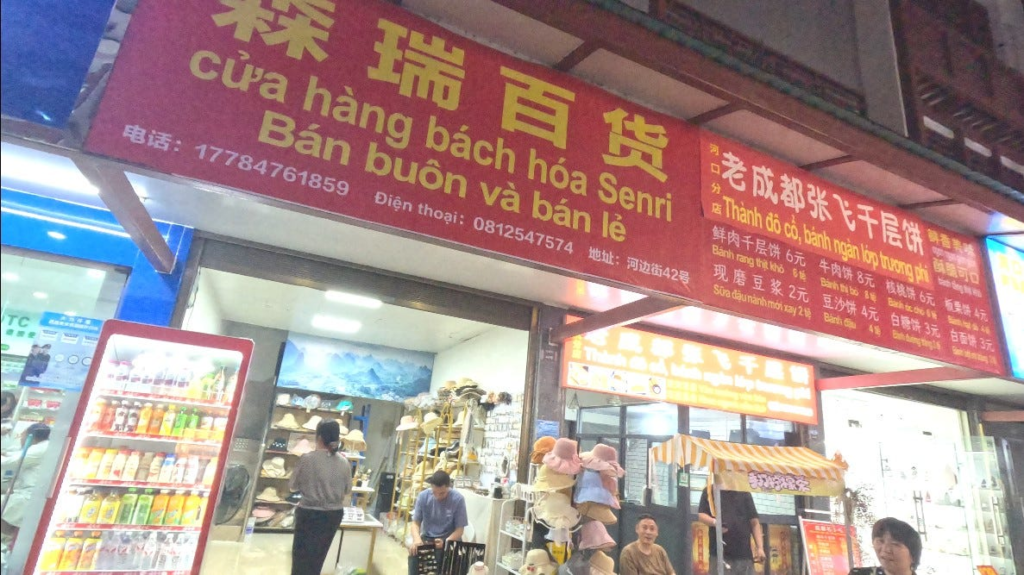
Among the most popular places to visit are Light Park, also known as Son Lam Park, which becomes particularly attractive after dark; the historic Hekou Railway Station; the town’s commercial streets; and the Hekou Uprising Memorial Hall, located in the former Hekou Customs House.
But for many young Vietnamese visitors, Hekou’s biggest attraction is simply the food.
Street stalls and small restaurants offer an eclectic mix of Chinese and Vietnamese-influenced snacks, including roasted milk tea, Hekou-style steamed rice rolls, shaken rice-paper snacks, squid known locally among Vietnamese visitors as “Ong Troc,” and candied hawthorn skewers, or hồ lô.
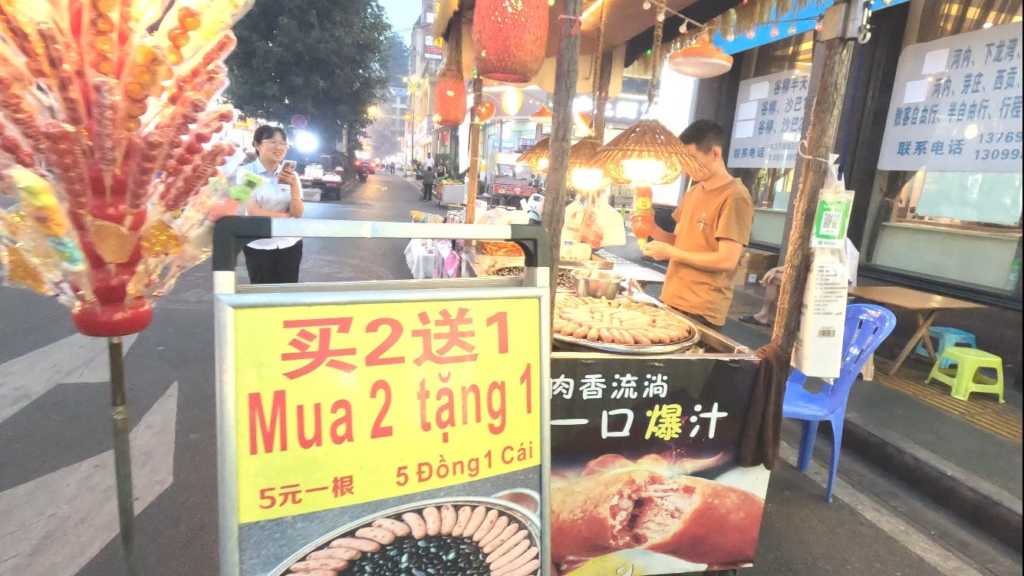
At night, the atmosphere changes. Along the river, residents and visitors can be seen walking, exercising and dancing. There is a relaxed, almost leisurely quality to the town. Despite being an important commercial border crossing, Hekou rarely feels like a hectic metropolis—and, in my experience, traffic jams are virtually nonexistent.
3. Crossing the Border
For Vietnamese visitors, Hekou is especially attractive because it can be visited as a short trip, often as a day trip or a two-day, one-night excursion.
Vietnamese citizens residing outside Lao Cai can typically secure a border pass through the province’s immigration authorities. Travelers can submit these applications independently or hire a local travel agency for a small fee. Because processing times and documentation requirements can fluctuate, verifying the latest rules before departure is always recommended.
By contrast, local Lao Cai residents enjoy access to a renewable three-month border pass, which is relatively straightforward to obtain. This localized ease of access aligns with broader changes across the border; China recently relaxed its entry rules for Vietnamese visitors, introducing a 240-hour visa-free transit program alongside a 30-day visa-free stay option for Hainan Island.
Those staying overnight in Hekou should also make sure their accommodation documentation is in order, as hotel registration and confirmation may be required as part of the border-crossing procedures.
The relative ease of short-term travel has helped turn the Lao Cai–Hekou crossing into a genuine two-country tourism circuit rather than simply a place where goods change hands.
4. A Border Economy That Benefits Both Sides
The relationship between Lao Cai and Hekou is more than a tourism success story. It is also an example of how cross-border economic cooperation can transform everyday life on both sides of an international boundary.
The two cities are part of the broader Kunming–Lao Cai–Hanoi–Hai Phong–Quang Ninh economic corridor, which connects southwest China with northern Vietnam and, through Vietnam’s transport network, with major seaports and markets.
The scale of trade is substantial. In the first eight months of 2026 alone, import-export turnover through the Lao Cai–Hekou border-gate pair reportedly approached US$1.6 billion, an increase of about 75 percent year on year.
Both sides are also advancing plans for a pilot cross-border economic cooperation zone, with ambitions to increase trade substantially by 2030. Initiatives such as smart border gates, digital customs procedures, and single-window systems are intended to make the movement of goods and people faster and more efficient.
For governments, this means greater trade and investment. For ordinary people, however, the benefits can be much more immediate: jobs, customers, cheaper access to goods, and new opportunities to earn a living.
5. Hekou as a Labor Market for Vietnamese Workers
One of the most visible effects of this economic integration is the number of Vietnamese people working in Hekou.
Vietnamese workers are employed in restaurants, hotels and other service businesses, as well as in logistics warehouses and facilities that package agricultural products for export.
Their presence makes particular sense in a town that receives large numbers of Vietnamese visitors. Vietnamese-speaking employees can greet customers, explain menus, help with purchases and bridge cultural and linguistic differences.
Some workers commute across the border each day, leaving Lao Cai in the morning and returning home in the evening. Others, particularly those in more permanent positions such as managers, chefs, or specialist staff, may obtain the necessary work and residence permits to remain in Hekou for longer periods.
For many workers, the attraction is straightforward: wages earned in Chinese yuan can translate into a higher income than comparable low-skilled work available at home. At the same time, Chinese employers gain access to a workforce that understands Vietnamese customers and is already familiar with the culture and language of their most important foreign visitors.
It is a practical form of economic cooperation that is visible every day at the border.
6. A “Wholesale Market Next Door”
The economic relationship works in both directions.
Every day, traders and small business owners cross between Lao Cai and Hekou to source merchandise. For Vietnamese retailers, Hekou functions almost like a wholesale market next door.
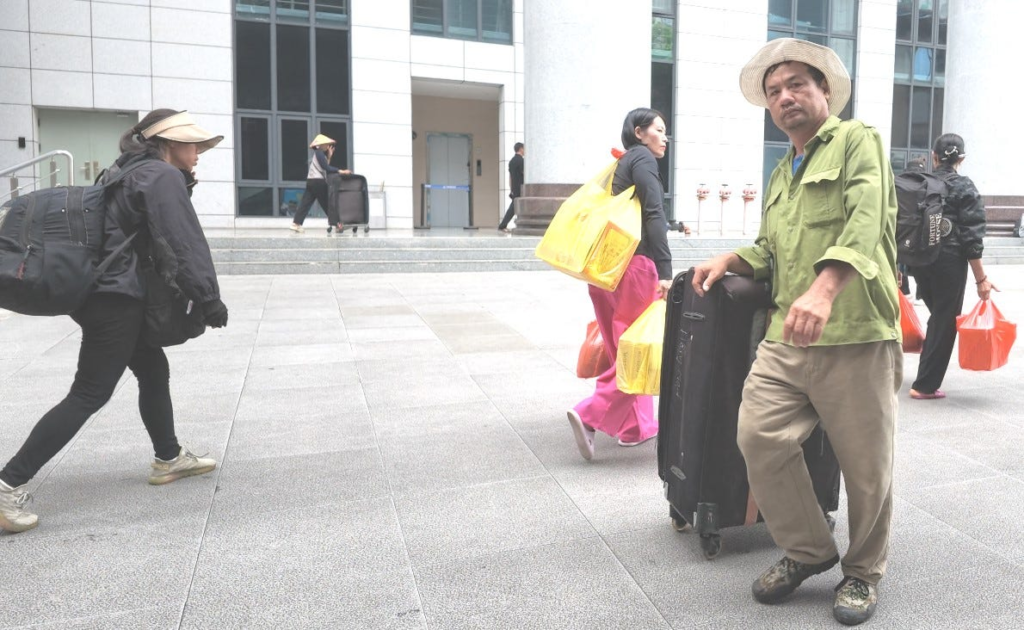
Common purchases include clothing, footwear, household electronics and components, toys, confectionery, and temperate-climate fruit such as apples, grapes and pomegranates.
Goods brought into Vietnam can then be consolidated in warehouses in Lao Cai before being transported onward, using the Noi Bai–Lao Cai transport corridor, to Hanoi and other parts of the country.
The flow in the opposite direction is equally important. Vietnamese traders and exporters send tropical agricultural products—including durian, dragon fruit, bananas and jackfruit—as well as seafood into China.
For Chinese consumers, Vietnam has become an important nearby source of tropical fruit. For Vietnamese farmers and exporters, access to the enormous Chinese market can provide opportunities that would not exist without the border connection.
Cross-border payment arrangements, including transactions involving Vietnamese dong and Chinese yuan and increasingly digital payment systems, also help facilitate this commerce, although the precise arrangements available to individual traders depend on regulations and banking channels.
7. The Risks Behind the Opportunity
Cross-border commerce can be lucrative, but it is not without risk.
Changes in customs procedures, border policies, and phytosanitary requirements can affect how quickly agricultural products and other goods move across the border. A sudden slowdown in customs clearance can have an immediate impact on traders dealing in perishable products.
Exchange-rate movements between the Vietnamese dong and Chinese yuan can also affect profit margins, particularly for smaller traders operating on relatively thin margins.
The very openness that creates opportunity therefore also creates vulnerability: people whose livelihoods depend on the border are directly affected whenever regulations, markets, or currency conditions change.
8. When the Border Becomes a Community
Perhaps the most fascinating consequence of the growing economic relationship is the emergence of a genuinely cross-border community.
Vietnamese people in Hekou are not limited to tourists and temporary traders. They include restaurant and hotel workers, business owners, entrepreneurs, and people who have married and established families on the Chinese side.
The result is a social environment that feels different from that of many other Chinese towns.
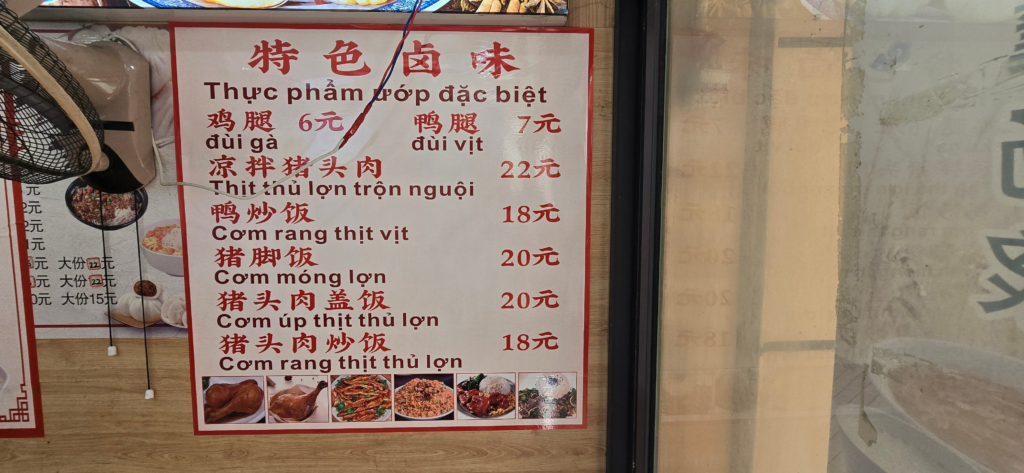
In Hekou’s markets and commercial streets, Vietnamese-language signs are common. Chinese shopkeepers and service workers often know basic Vietnamese phrases, while Vietnamese employees are a familiar sight in restaurants, hotels, and shops.
For Vietnamese visitors, this creates a sense of familiarity almost immediately after crossing the border.
9. Vietnamese Workers: Language as a Business Advantage
The rapid growth of Vietnamese tourism has created particularly strong demand for Vietnamese-speaking employees.
Hotels, restaurants, cafés, and beverage shops benefit from staff who can communicate directly with Vietnamese customers. For businesses catering to cross-border visitors, language is not simply a convenience—it can be a competitive advantage.
Some workers commute daily, crossing the Ho Kieu Bridge in the morning and returning to Vietnam in the evening. Others remain in Hekou for longer periods because of their jobs.
The income can be attractive. Service workers interviewed in the area commonly describe monthly earnings in the range of roughly 10–15 million VND when converted from yuan, although actual income varies according to occupation, hours, employer, and exchange rates.
This cross-border labor market illustrates one of the simplest forms of economic integration: a worker lives on one side of the border, works on the other, and benefits from the economic opportunities created by both.
10. Cross-Border Marriages
Economic interaction also creates personal connections.
Marriages between Vietnamese citizens and Chinese nationals in Hekou and elsewhere in Yunnan are not unusual. Some couples meet through trading activities, others through workplaces, factories, or restaurants, while still others meet during cross-border travel.
For couples who establish families, the border can become less of a dividing line and more of a shared environment.
Some Vietnamese women who marry Chinese men establish businesses of their own, including Vietnamese restaurants, pho shops, and cafés. Others become involved in trade, sourcing goods from China for Vietnamese customers.
Their children may grow up speaking both Vietnamese and Chinese, giving them a natural linguistic and cultural connection to both sides of the border.
Today, such marriages are subject to formal registration and immigration requirements designed to protect the legal rights of spouses and children. The bureaucratic process can be more complicated than that for couples from the same country, but the increasingly regulated framework provides greater legal certainty for families.
11. Hekou’s Vietnamese Character
The presence of Vietnamese workers, traders, tourists, and families has given Hekou a character that is unusual for a Chinese border town.
Walk through a market and you may hear Vietnamese being spoken alongside Mandarin. Enter a restaurant, and the person serving you may be Vietnamese. Ask a shopkeeper a question and there is a good chance they will understand at least some Vietnamese.
Even the currency used in everyday transactions reflects the border’s economic intimacy. Vietnamese dong can be accepted in businesses frequented by Vietnamese customers, while digital and bank-transfer payments can make cross-border transactions easier.
None of this means that Hekou has become Vietnamese. It remains unmistakably a Chinese town, with its own institutions, culture, and identity.
But the Vietnamese presence is impossible to miss.
12. My Experience in Hekou
Whenever I visit scenic Sa Pa and the surrounding mountains, I usually make my way down to Lao Cai. From Sa Pa, it takes only about an hour by car.
Upon arrival, I take a short walk through Lao Cai and cross the border into Hekou.
I have always liked Hekou precisely because it is small. There is none of the overwhelming hustle and bustle of China’s major cities, and I have never encountered a traffic jam there. In the evening, people gather along the river to dance, exercise, or simply take a stroll. The atmosphere is peaceful and relaxed.
On my most recent visit, I traveled with my Vietnamese wife and our daughter. Naturally, we visited plenty of shops, but we also spent time in restaurants sampling the local food.
What struck me most was the sheer ubiquity of the Vietnamese language. In many of the establishments we visited, the workforce was predominantly Vietnamese—and in some shops, they made up the clear majority. This presence extended even to our hotel, where both the breakfast buffet manager and members of the housekeeping staff were Vietnamese. In places where Chinese locals ran the shops and food stalls, many had learned enough Vietnamese to communicate comfortably with customers crossing over from the border.
At a small scenic lake area, I spoke with a Vietnamese woman running a food and fresh-fruit-juice stall. She told me that she was happily married to a Chinese man who worked in advertising and that they had two children.
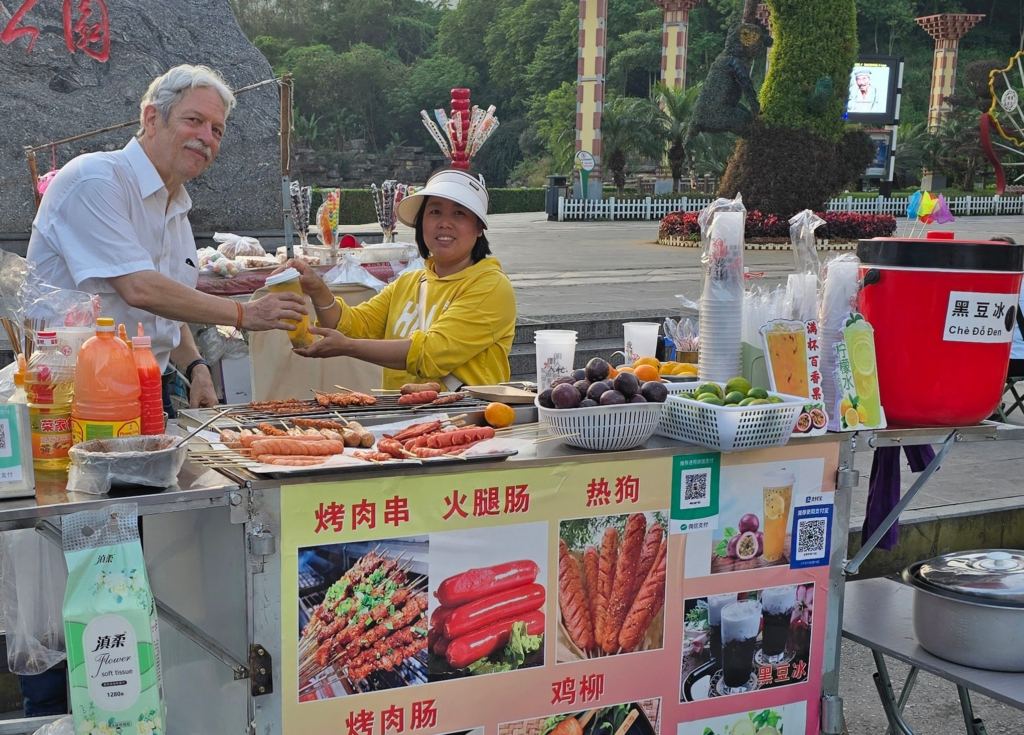
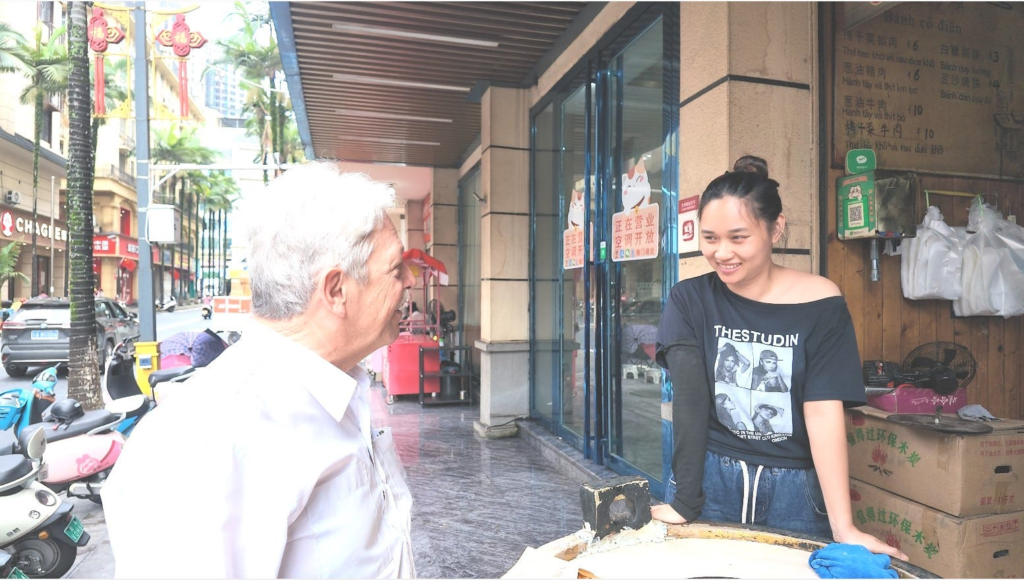
On another occasion, I met an enthusiastic young Vietnamese woman who clearly had a good relationship with her Chinese employer. The two joked together as they worked.
She told me that she arrived at work at 7 a.m. and usually returned home around 8 p.m. She also had two children, who were looked after by their grandparents while she was working.
These conversations brought the statistics to life. Behind the billions of dollars in trade and the ambitious plans for smart border gates are ordinary people crossing a bridge to work, customers crossing to shop, and families whose lives now extend naturally across an international boundary.
13. One Border, Two Economies, Many Connections
Lao Cai and Hekou prove that a border can be a point of connection rather than a barrier.
Hekou provides Vietnam with invaluable access to Chinese markets and employment, while Lao Cai offers China a direct pipeline of agricultural goods, tourism, and labor. Economic rewards are rarely equal, and border trade always carries risk. Even so, this symbiotic partnership creates opportunities that neither side could build alone.
The best way to measure this relationship is to stand on the Ho Kieu Bridge and watch the daily flow of people. They are tourists, traders, commuters, and families. To them, this border is not an abstract geopolitical line. It is a shared neighborhood. In Hekou, the frontier is no longer just where two economies trade—it is where two communities meet.